
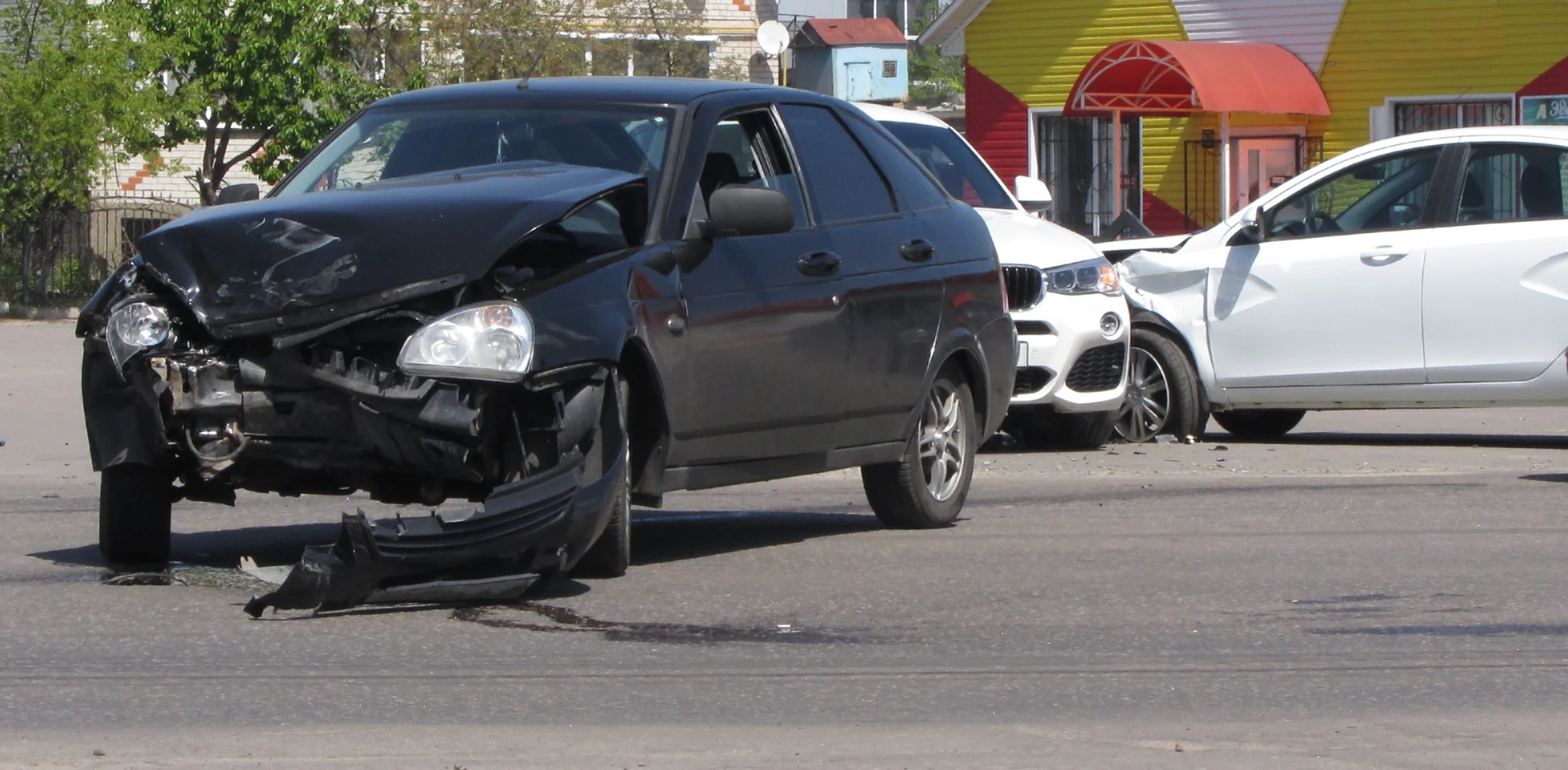
Multi-vehicle collisions can be complicated because several drivers may contribute to the same crash. Unlike a two-car accident, determining who is responsible often requires a closer examination of what each driver did before and during the collision.
A chain reaction accident in Georgia may involve multiple vehicles, making it important to identify how the crash began, which drivers contributed to it, and whether other factors played a role. Understanding how liability may be determined can help injured individuals protect their rights and pursue compensation.
What Is a Multi-Vehicle Collision?
A multi-vehicle collision occurs when three or more vehicles are involved in a single accident. These crashes can happen on highways, intersections, or congested roads where vehicles are traveling close together.
For example, one driver may suddenly stop, causing the vehicle behind them to crash into their rear bumper. The impact may then push that vehicle into another car, creating a series of collisions.
Common causes of multi-vehicle accidents include:
- Distracted driving
- Following too closely
- Speeding
- Sudden lane changes
- Unsafe merging
- Driving under the influence
- Aggressive driving
- Poor road conditions
- Vehicle defects
How Is Liability Determined in a Chain Reaction Accident?
Determining liability after a multi-vehicle crash is not always straightforward. Investigators, insurance companies, and attorneys may examine the actions of each driver to determine whether their conduct contributed to the accident.
The driver who appears to have started the collision is not necessarily the only person who may be responsible. Multiple drivers could potentially share liability if their actions contributed to the series of impacts.
Evidence that may help establish fault includes:
- Police accident reports
- Traffic camera footage
- Dashcam recordings
- Statements from witnesses
- Photos and videos from the crash scene
- Vehicle damage
- Skid marks and debris patterns
- Medical records
- Cell phone records, when relevant
- Testimony from accident reconstruction professionals
When Multiple Drivers May Share Fault
A chain reaction accident in Georgia may involve shared responsibility. For instance, one driver could be speeding while another is following too closely. If both actions contributed to the collision, determining liability may require examining each driver’s conduct.
Georgia follows a modified comparative negligence system. In general, an injured person may recover damages if they are not 50% or more responsible for their injuries, although their compensation may be reduced according to their percentage of fault.
Because fault can be divided among multiple parties, it is important to understand how each person’s actions affected the accident.
What If the First Driver Caused the Entire Collision?
Sometimes, one driver’s conduct may trigger a series of crashes involving several vehicles. For example, a distracted driver may suddenly cross into another lane and strike a vehicle, causing additional collisions.
If the evidence shows that the initial driver’s negligence caused the subsequent impacts, that driver may bear significant responsibility. However, each collision should still be evaluated individually to determine whether another driver’s actions contributed to the resulting injuries or property damage.
Can a Driver Who Was Hit Still Be Partially Liable?
Yes, depending on the circumstances.
Being struck by another vehicle does not automatically mean a driver has no responsibility for the resulting crash. For example, a driver who was hit from behind may have been speeding, changing lanes improperly, or otherwise engaging in conduct that contributed to the collision.
Insurance companies may investigate these factors when determining how responsibility should be assigned.
What Role Does Insurance Play?
Multiple insurance companies may become involved after a multi-vehicle collision. Each insurer may attempt to determine who caused the crash and how much responsibility should be assigned to their policyholder.
Insurance adjusters may review the accident report, vehicle damage, photographs, witness statements, and other available evidence.
Because several parties and policies may be involved, resolving a claim can become more complicated than handling a standard two-vehicle accident. An insurer may also dispute the extent of your injuries or argue that another driver was responsible.
What Compensation May Be Available?
If another party’s negligence caused your injuries, you may be able to pursue compensation for losses related to the accident. Depending on the circumstances, damages may include:
- Medical expenses
- Future medical treatment
- Lost wages
- Reduced earning capacity
- Property damage
- Physical pain
- Emotional distress
- Other accident-related losses
The types and amount of compensation available will depend on the specific facts of the case.
What Should You Do After a Multi-Vehicle Collision?
If you are involved in a multi-vehicle crash, consider taking these steps when it is safe to do so:
- Seek medical attention. Some injuries may take time to become apparent following a crash.
- Contact law enforcement. A police report can provide important information about the collision.
- Document the scene. Take photographs or videos of the vehicles, roadway, debris, and visible injuries if possible.
- Gather witness information. Obtain names and contact information from people who saw the accident.
- Exchange insurance information. Collect the necessary details from the other drivers.
- Keep records of your losses. Save medical bills, repair estimates, wage information, and other related documentation.
- Avoid admitting fault. Provide factual information without making statements about who caused the accident.
- Consider speaking with an attorney. Legal guidance may be helpful when several parties or insurance companies are involved.
How an Attorney Can Help
A multi-vehicle collision may require a detailed investigation to determine how the accident happened and who may be legally responsible. An attorney can review available evidence, identify potentially liable parties, communicate with insurance companies, and help pursue compensation for eligible losses.
Legal representation can be particularly useful when drivers disagree about what happened or multiple insurance companies are involved in the claim.
Conclusion
Determining liability after a multi-vehicle collision in Georgia can be challenging because more than one driver may have contributed to the accident. A chain reaction accident in Georgia may require an examination of driver behavior, accident evidence, road conditions, and other circumstances before responsibility can be established.
If you were injured in a multi-vehicle collision, understanding your legal options and gathering evidence early may help protect your ability to pursue compensation.