
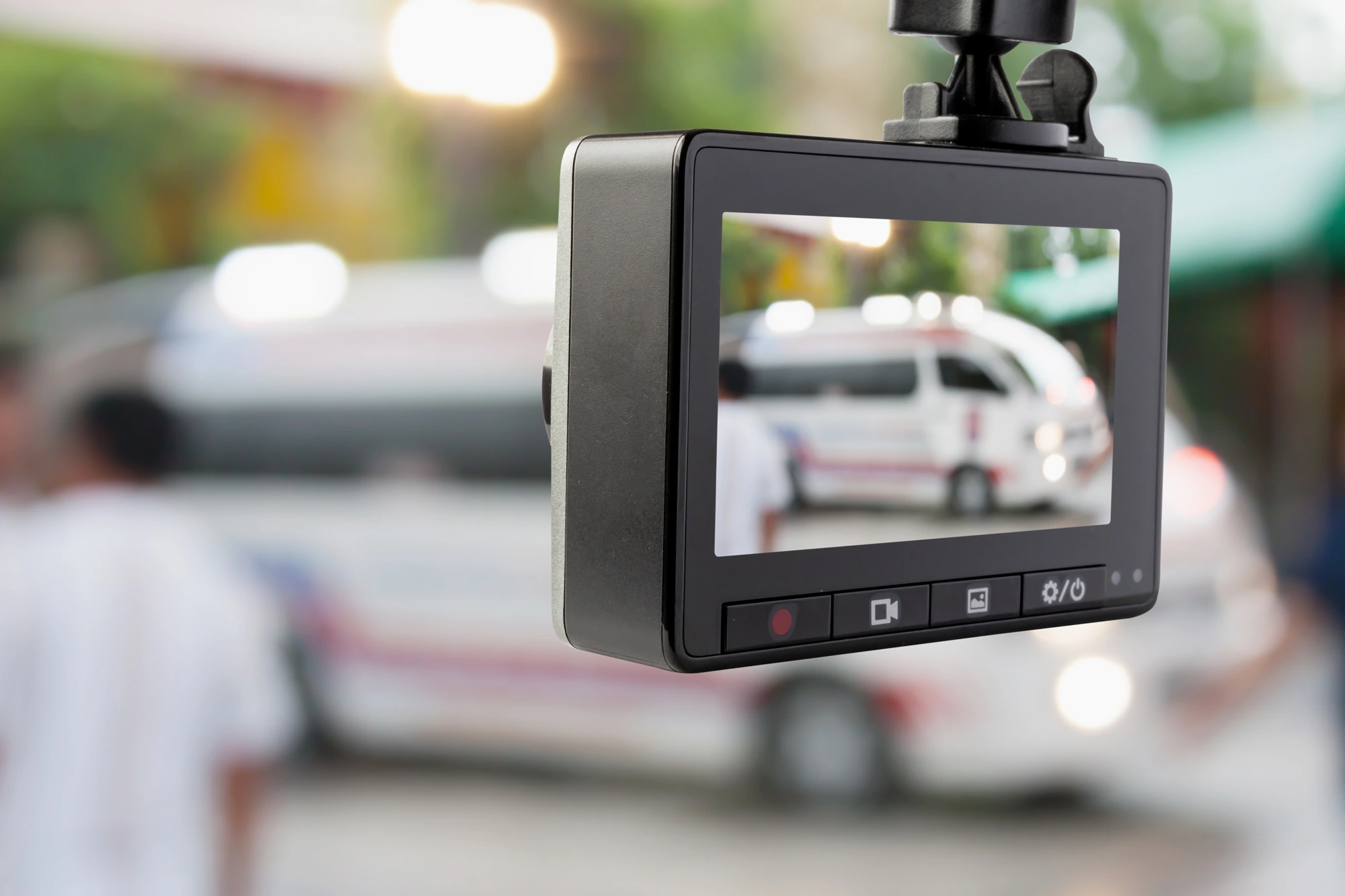
After a car accident, determining exactly what happened can become difficult, particularly when drivers provide conflicting accounts. Dash cam evidence in Georgia can provide valuable documentation of the events leading up to and during a collision.
A dash camera may capture details that are difficult to establish through statements alone. When properly preserved and presented, this footage can help clarify what occurred and support your claim.
What Is Dash Cam Evidence?
Dash cam evidence is video recorded by a camera installed inside or on a vehicle. Depending on the camera’s position and settings, the footage may show the road ahead, surrounding traffic, nearby vehicles, traffic signals, and other details.
Some dash cams may also record audio, speed, GPS information, or footage from multiple directions.
How Can Dash Cam Footage Help Your Claim?
1. Establishing How the Accident Happened
Video footage can provide a visual record of the moments before and during a crash. It may show whether another driver changed lanes suddenly, ran a red light, failed to yield, or engaged in another unsafe maneuver.
This can help provide a clearer picture of how the collision occurred.
2. Supporting Your Version of Events
When drivers disagree about what happened, an objective recording can help resolve conflicting accounts. Instead of relying solely on memories or statements, the footage may provide direct evidence of the circumstances surrounding the crash.
3. Helping Establish Fault
Georgia car accident claims can involve disputes about who was responsible. Dash cam footage may show actions that help demonstrate another driver’s negligence, such as distracted driving, speeding, unsafe lane changes, or following too closely.
The footage does not automatically establish liability, but it can be an important piece of evidence when evaluating fault.
4. Documenting Road and Traffic Conditions
Dash cams may capture important environmental details, including traffic signals, road markings, weather conditions, construction zones, and the behavior of surrounding vehicles.
These details can become particularly useful when the accident scene changes before an investigation takes place.
5. Providing Evidence of Driver Behavior
In some situations, footage may reveal behavior immediately before an accident that would otherwise be difficult to prove. For example, a recording could show a driver using a phone, making an unsafe maneuver, or behaving aggressively on the road.
What If You Were a Passenger?
You don’t necessarily need to have been driving the vehicle to benefit from dash cam evidence. If you were a passenger injured in a crash, footage from the vehicle or another nearby car could potentially help establish what happened.
If another motorist’s actions caused the collision, the recording may provide useful evidence when pursuing a claim.
How Should You Preserve Dash Cam Footage?
If your dash cam recorded the accident, preserve the original file as soon as possible. Many cameras automatically overwrite older recordings when storage becomes full.
Consider taking these steps:
- Save the original video to another secure location.
- Avoid editing or altering the original recording.
- Keep backup copies of the footage.
- Preserve related files, including timestamps and other available data.
- Make note of when and where the recording was made.
- Avoid deleting footage from before or after the collision.
Keeping the original recording can help maintain its reliability if the evidence is later questioned.
Can Dash Cam Footage Be Used in Court?
Potentially. Whether dash cam footage can be admitted as evidence depends on factors such as its authenticity, relevance, and how it was obtained and preserved.
An attorney can review the recording and determine how it may be used to support your case. Other evidence, including photographs, witness statements, police reports, and medical records, may also be important.
What If Another Driver Has Dash Cam Footage?
You may not know whether another driver captured the collision on camera. If you believe another vehicle may have recorded the accident, provide that information to your attorney.
Nearby surveillance cameras, traffic cameras, businesses, or residential security systems may also have captured relevant footage. Because some systems automatically delete recordings after a certain period, identifying potential video sources promptly can be important.
Can Dash Cam Evidence Help With Insurance Negotiations?
Insurance companies may dispute liability or question the circumstances of a collision. Clear video evidence can provide additional support during the claims process.
Rather than relying solely on a driver’s description of the accident, an insurer may be able to review footage showing the events leading up to the crash. This can help strengthen your position when negotiating a settlement.
What Other Evidence Should You Collect?
While dash cam evidence in Georgia can be valuable, it should generally be considered alongside other supporting documentation. Depending on the circumstances, useful evidence may include:
- Police reports
- Photographs of the accident scene
- Vehicle damage photos
- Medical records and bills
- Witness statements
- Traffic or surveillance footage
- Vehicle data
- Insurance correspondence
- Documentation of lost income
Combining multiple forms of evidence can provide a more complete picture of the accident and its consequences.
How Can an Attorney Help?
An experienced car accident attorney can evaluate dash cam footage and other available evidence to determine how it may support your claim. An attorney can also investigate the accident, communicate with insurance companies, identify potentially responsible parties, and help calculate your damages.
If the other side disputes liability or refuses to offer fair compensation, legal representation can help you understand your options for moving forward.
Conclusion
Dash cam evidence in Georgia can be an important tool after a car accident. Video may help establish what happened, clarify conflicting accounts, demonstrate potentially negligent driving, and support negotiations with an insurance company.
If you have dash cam footage of your collision, preserve it carefully and avoid altering the original file. Combined with other evidence, the recording may help strengthen your Georgia car accident claim and provide a clearer account of what happened.