
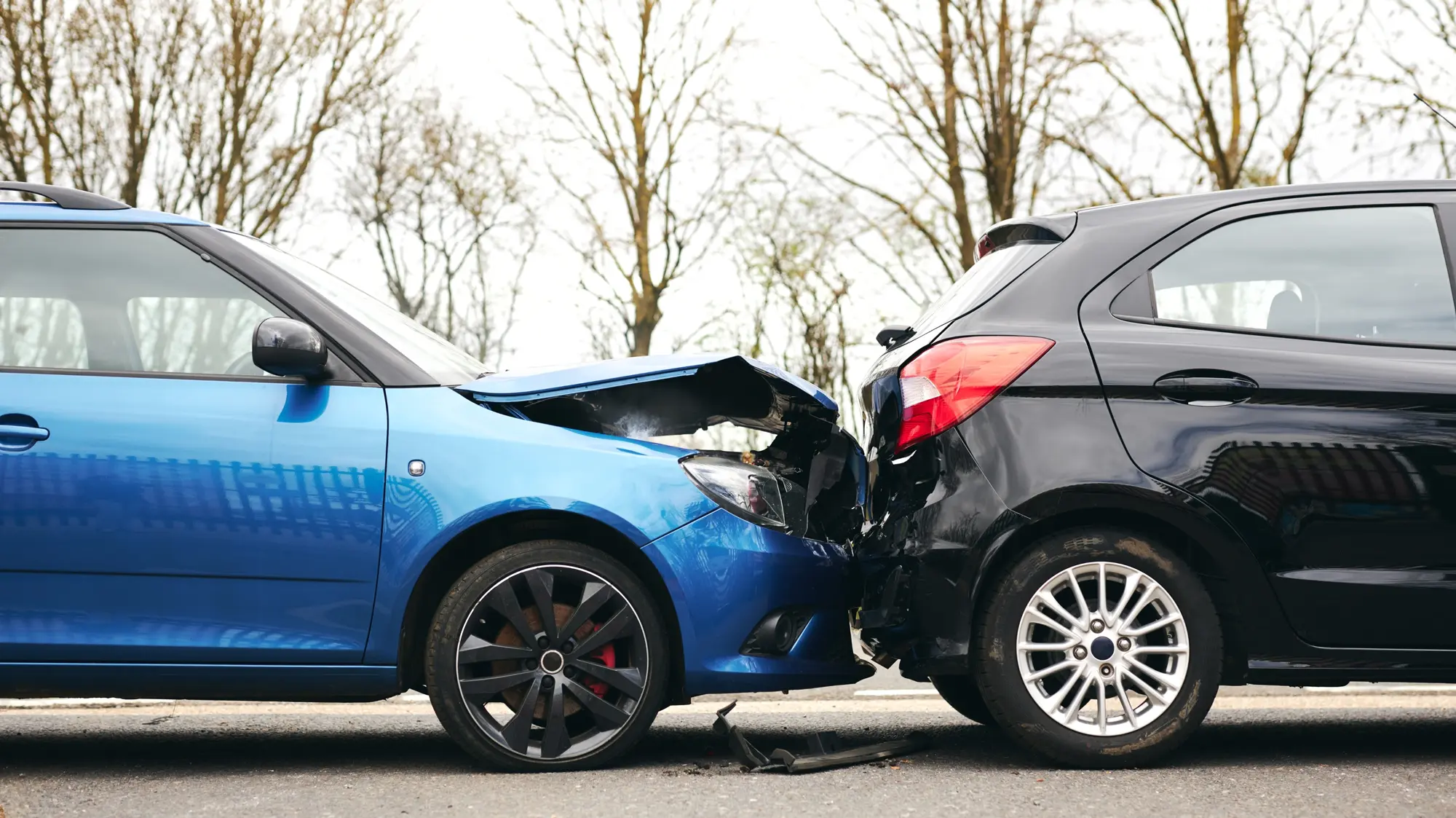
A sudden stop can turn an ordinary drive into a serious collision. Brake checking occurs when a driver intentionally or abruptly applies the brakes, often to intimidate or retaliate against another motorist. When the following driver cannot stop in time, a rear-end collision may occur.
In Georgia, determining who is responsible for a crash involving brake checking can be more complicated than simply blaming the driver who struck the vehicle from behind. Understanding how these accidents happen and what factors may affect liability can help you protect your rights after a collision.
What Is Brake Checking?
Brake checking generally involves a driver suddenly slowing down or stopping without a legitimate traffic-related reason. It may happen when a driver feels that another motorist is following too closely, driving aggressively, or attempting to pass.
For example, a driver may intentionally slam on the brakes after becoming frustrated with another vehicle. The following motorist may have little time to react, potentially causing a collision.
Although following too closely can contribute to rear-end crashes, intentionally creating a dangerous situation through sudden braking may also be relevant when determining fault.
How Can Brake Checking Cause an Accident?
A vehicle traveling behind another car needs enough distance and time to respond when traffic slows. When the vehicle ahead suddenly brakes, the following driver may not have enough time to stop safely.
A brake checking incident can lead to:
- Rear-end collisions
- Multi-vehicle accidents
- Serious bodily injuries
- Vehicle and property damage
- Dangerous loss of vehicle control
- Secondary collisions with nearby vehicles
The severity of the accident can depend on vehicle speed, traffic conditions, following distance, weather, and the actions of both drivers.
Who Is at Fault in a Brake-Checking Accident?
Determining liability requires looking at the circumstances surrounding the crash. The driver who rear-ends another vehicle may initially appear responsible, but that does not necessarily end the investigation.
Evidence may show that the driver in front deliberately created a dangerous situation by suddenly braking. At the same time, the following driver may still have a duty to maintain a safe distance and operate the vehicle appropriately.
Georgia follows a modified comparative negligence system, meaning that fault may be divided between parties in certain personal injury cases. Because the specific facts matter, determining liability after a brake-checking collision may require a detailed review of the available evidence.
How Can You Prove Brake Checking Occurred?
Proving that a driver intentionally brake checked another motorist can be challenging. Evidence that may help establish what happened includes:
Dashcam Footage
Video from a dashboard camera can provide a direct record of the other driver’s actions before the collision.
Witness Statements
People who witnessed the incident may be able to describe whether the driver suddenly braked or appeared to intentionally cause the situation.
Traffic or Surveillance Cameras
Footage from nearby businesses, intersections, or traffic systems may provide additional evidence of the events leading up to the crash.
Police Reports
The responding officer’s report may contain information about statements made by the drivers, witnesses, road conditions, and the apparent circumstances of the collision.
Vehicle Damage
The location and severity of damage to the vehicles may help accident investigators reconstruct how the collision occurred.
What Should You Do After a Brake-Checking Accident?
If you believe another driver caused a collision by brake checking, take steps to preserve evidence and protect your potential claim.
1. Move to a Safe Location
If possible, move away from traffic and check yourself and others for injuries.
2. Contact Law Enforcement
Report the accident and request medical assistance if necessary.
3. Photograph the Scene
Take pictures of the vehicles, damage, road conditions, traffic signs, and surrounding area.
4. Look for Witnesses
Ask witnesses for their names and contact information. Their observations may become important if liability is disputed.
5. Preserve Video Evidence
Save dashcam recordings or other footage showing the events before and during the crash.
6. Seek Medical Attention
Some injuries may not be immediately apparent. Prompt medical evaluation can also create documentation connecting your injuries to the collision.
7. Notify Your Insurance Company
Report the accident to your insurer and provide accurate information about what happened.
Can You Recover Compensation After a Brake-Checking Accident?
If another driver’s negligence contributed to your injuries, you may be able to pursue compensation for losses associated with the accident. Depending on the circumstances, damages may include:
- Medical expenses
- Lost wages
- Reduced earning capacity
- Vehicle repair or replacement costs
- Pain and suffering
- Other accident-related losses
The amount and types of compensation available depend on the facts of the case, the severity of the injuries, and the degree of fault assigned to each party.
Why Legal Guidance May Be Helpful
A brake checking case can become complicated when the drivers disagree about what happened. Insurance companies may focus on the fact that one vehicle struck another from behind without fully considering the events leading up to the collision.
An attorney can review available evidence, investigate the accident, assess liability, communicate with insurance companies, and help determine whether you have grounds to pursue compensation.
Conclusion
Brake checking can create a dangerous situation that may result in serious car accidents and injuries. While rear-end collisions often involve questions about the following driver’s actions, the circumstances leading up to the crash should also be considered.
If you were injured in a Georgia car accident that you believe was caused by another driver’s intentional or sudden braking, documenting the incident and understanding your legal options can help protect your interests.